

This is another update on my experiences writing and designing the new fantasy graphic novels called Black Dragon and Pink Firefly, which I hope to launch in about two weeks.
I’ll also throw some artwork in here as we go along.
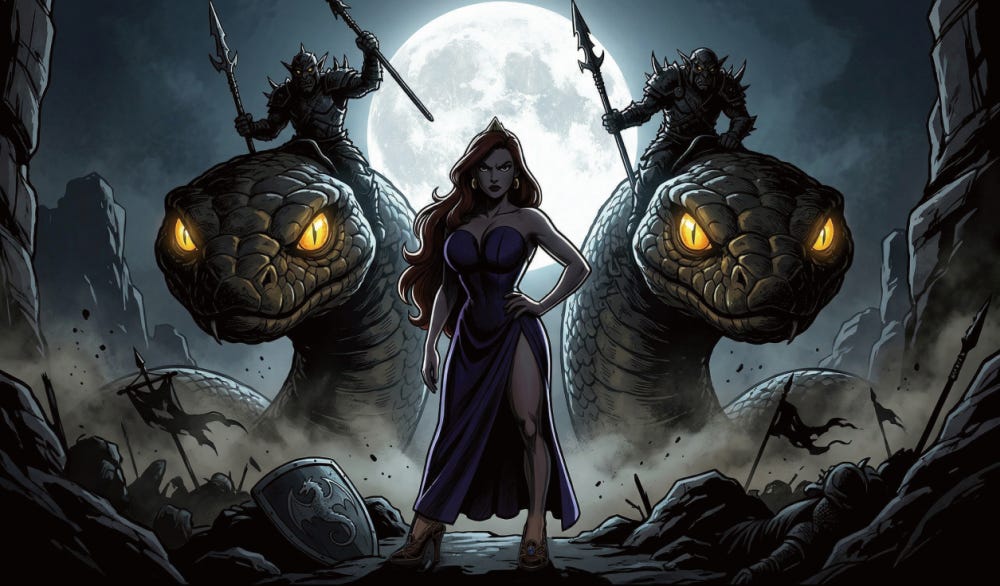
If you didn’t already know, these graphic novels are set in a dark fantasy world with a lot of sex and violence but also a lot of humor, all the good stuff we men like but that left-wing woke society today tells us we’re not supposed to like.
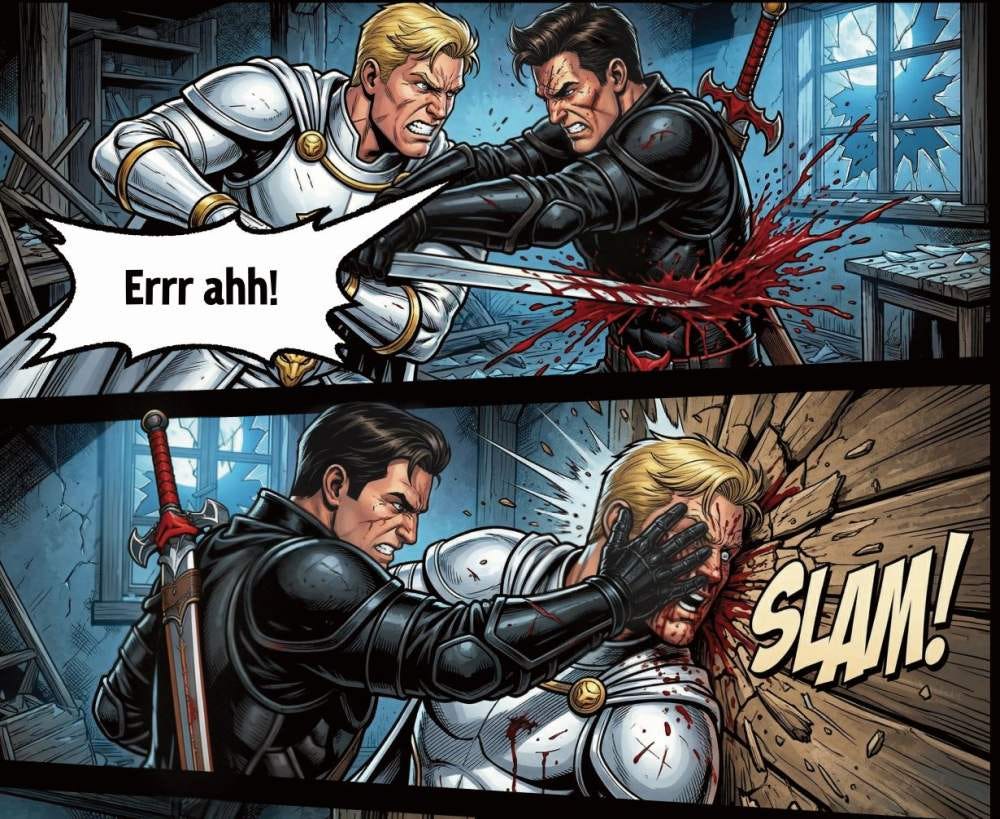
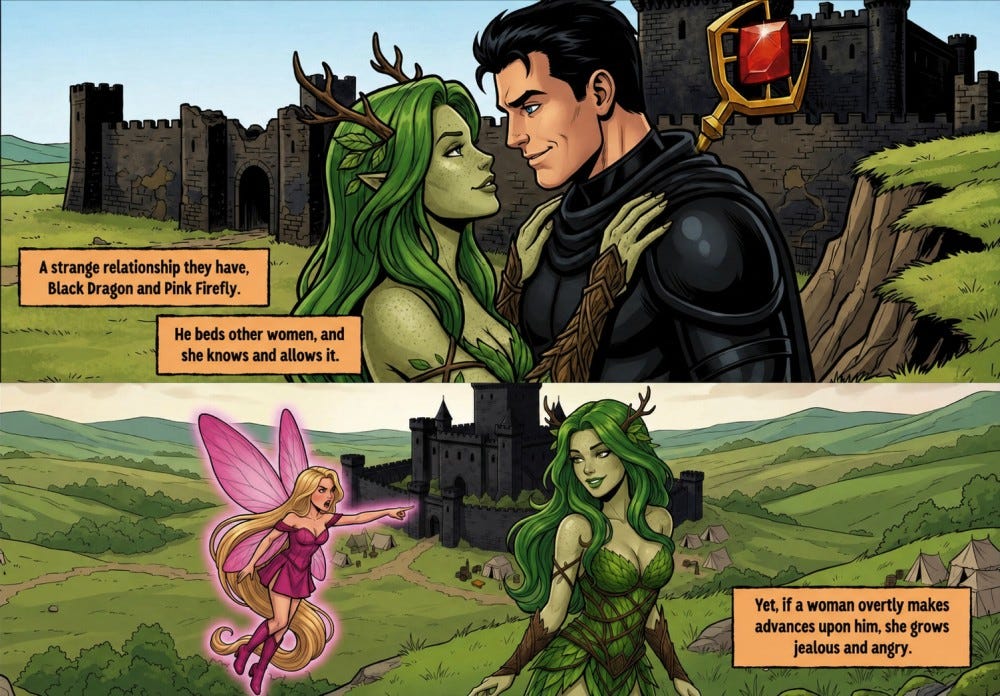
It also differs from any other story (that I’ve ever seen) in that it shows men having ongoing sexual relationships with multiple women and it’s shown as a positive for both the men and the women, instead of something bad, immature, against women, “problematic,” or sinful.
These sexual and relationship scenarios are actually real because they’re based on things I’ve experienced dating dozens of women in long-term non-monogamous relationships over the past 19 years. So readers will actually learn how this stuff really works in real life.
I’ll go into more detail about this when I do my next live stream about this, but here is the process by which I develop these graphic novels.
1. I outline the story, beat by beat. Each graphic novel is around a hundred pages and I have outlined the story up to graphic novel #17 or so. That’s 1700 pages so far and I’m still writing more every week. It’s a big story, big world, lots of plot threads, and over 55 recurring characters. A few characters I show on the website here as teasers.
2. I fully write a chapter at a time, roughly about 30 pages per chapter. I write exactly what happens, who does what, and the dialogue. I have fully written everything out to graphic novel #11 or so (about 1100 comic book pages).
3. I go back to a chapter I’ve already written and I storyboard it. Unlike when writing a novel, when you write a comic book, you have to tell the artist exactly how the page is arrayed and what happens in every panel on the page. I do this as a separate step from writing it, because I want to have my natural writing flow when I do step two, without having to worry about how things are arrayed on the page.
4. Once I’m done storyboarding an entire chapter, I double-check it to make sure it’s perfect. Are all the characters acting the way they should? Is the dialogue on point? Am I adhering to everything that’s happened in the past? Am I adhering to the rules of my own world-building? And so on. One of my rules is that once I send it off to the artists, that chapter is now set-in-stone canon and can never be changed. It’s one of the commitments I’ve made to our customers on our website. So I scrutinize hard before I send it to the artists.
5. I have an art team of seven people. They take my scripts, feed them into AI, and get back a very rough draft version of the artwork, most of which is bad. Only about 20% of this stuff is usable (though to be honest, that 20% is very good).
6. The artists then use that rough draft artwork as a starting point and edit/modify it based on my scripts. This is why the vast majority of the artwork you’ll see in these graphic novels is not AI. (There’s about 5% of the internet that gets rationally angry when they see anything AI-generated (art, music, video, etc), and they’re going to scream bloody murder as soon as I launch these graphic novels, calling them “AI slop” and so forth, even though less than 15% of what you experience in these graphic novels is AI. I made a video here explaining this in detail to pre-empt some of these arguments.)
7. The artwork then goes to the artistic lead, who approves it or sends it back for more edits.
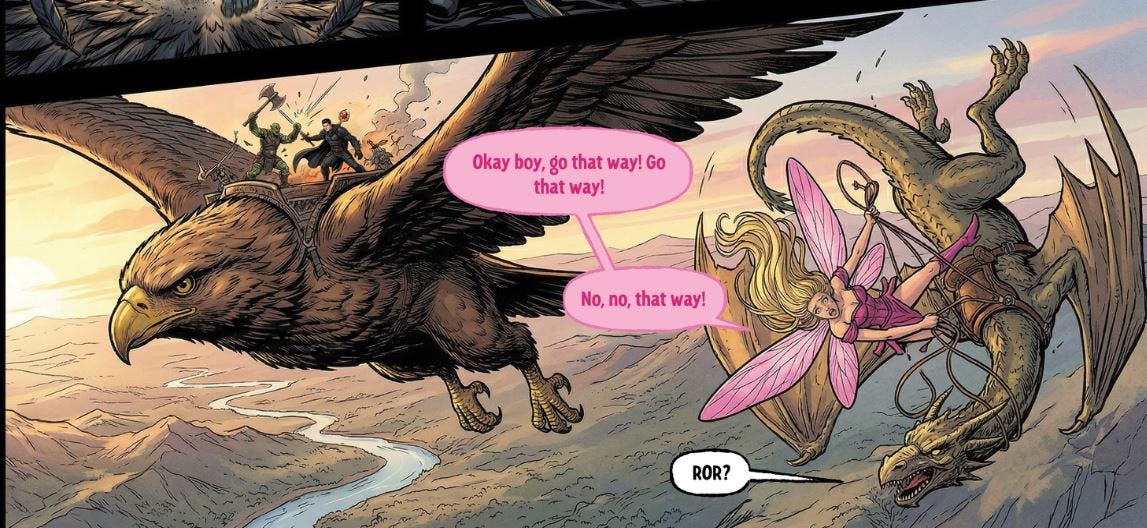
8. Once the artistic lead approves everything, he sends it over to me and I go through every panel. I send it back for more edits, corrections, and updates.
9. The artists make their changes, send them back to me, and we keep going back and forth until I deem it production-ready.
10. The graphic novel is page-set and is then ready for people to buy it. As of this writing, graphic novels #1, #2, and #3 are done, all around 100 pages each. Graphic novel #4 will be done shortly, and I’m currently approving the artwork for graphic novels #5 and #6.
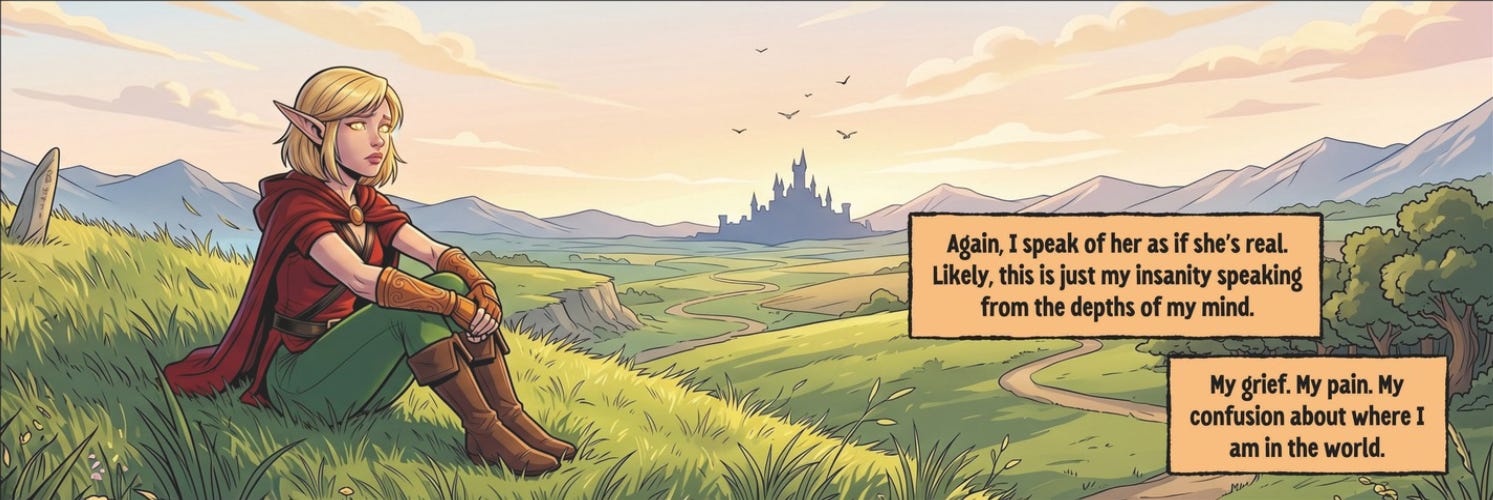
Graphic novels 1-6 will comprise “part one” of the entire overarching story. Part two begins with graphic novel #7 and will probably conclude in #11 or so, then we roll into part three. I have the entire story and all of the plot threads mapped out in detail until the middle of part four.
This is the most exciting and enjoyable project I have ever worked on. That’s saying a lot because I’ve worked on a huge amount of exciting projects over the past 20 years.
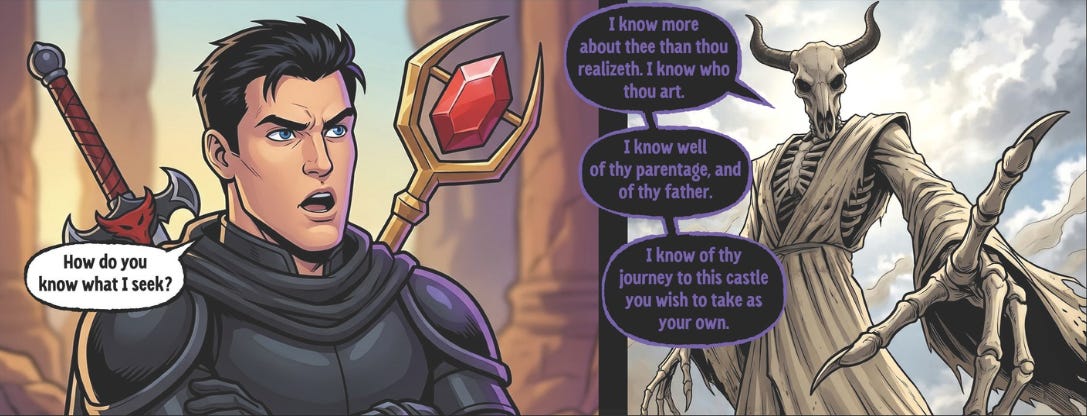
This is the first project I’ve been able to work on since the 1990s where I care purely about the product, the storytelling, the characters, and the world, rather than how much money I’ll make. (Because I really don’t give shit about that; this is way too much fun.)
It’s an entirely different experience for me and one that has been so enjoyable it’s difficult to put into words.
Every time I get artwork revisions back from the artists, I essentially freak out like some kind of teenage girl and stop whatever I’m doing and immerse myself in this world I’ve created with these characters that I almost feel are like my children. It’s super weird. But really fun.
I have certain lines, plot points, and story beats in these graphic novels that I have wanted to put into words for over 30 years. That’s how much creativity has been bubbling up inside me for so long.
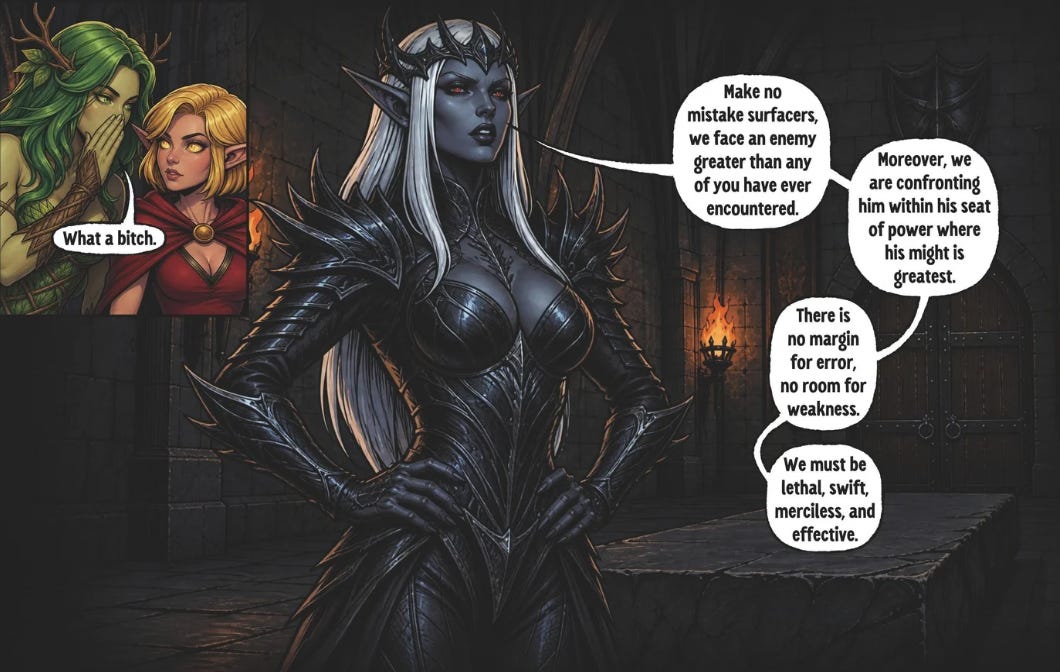
As soon as I know graphic novel #4 is 100% complete, I will set an official date for the launch of comics, hopefully this week or next. It’s going to be a big deal, at least to me.
More info coming soon.